Our Impact

Six Boreholes Are Only the Beginning.

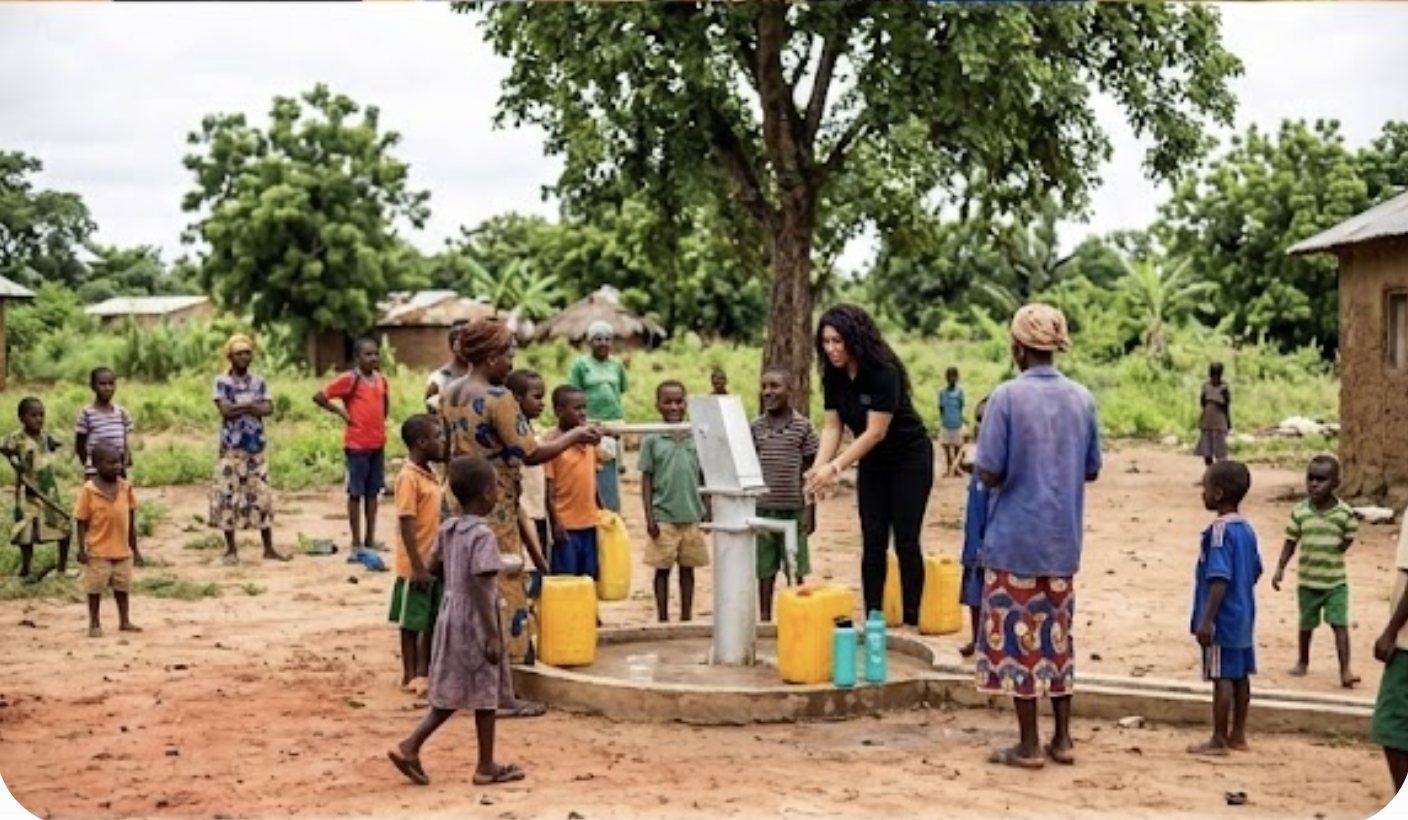
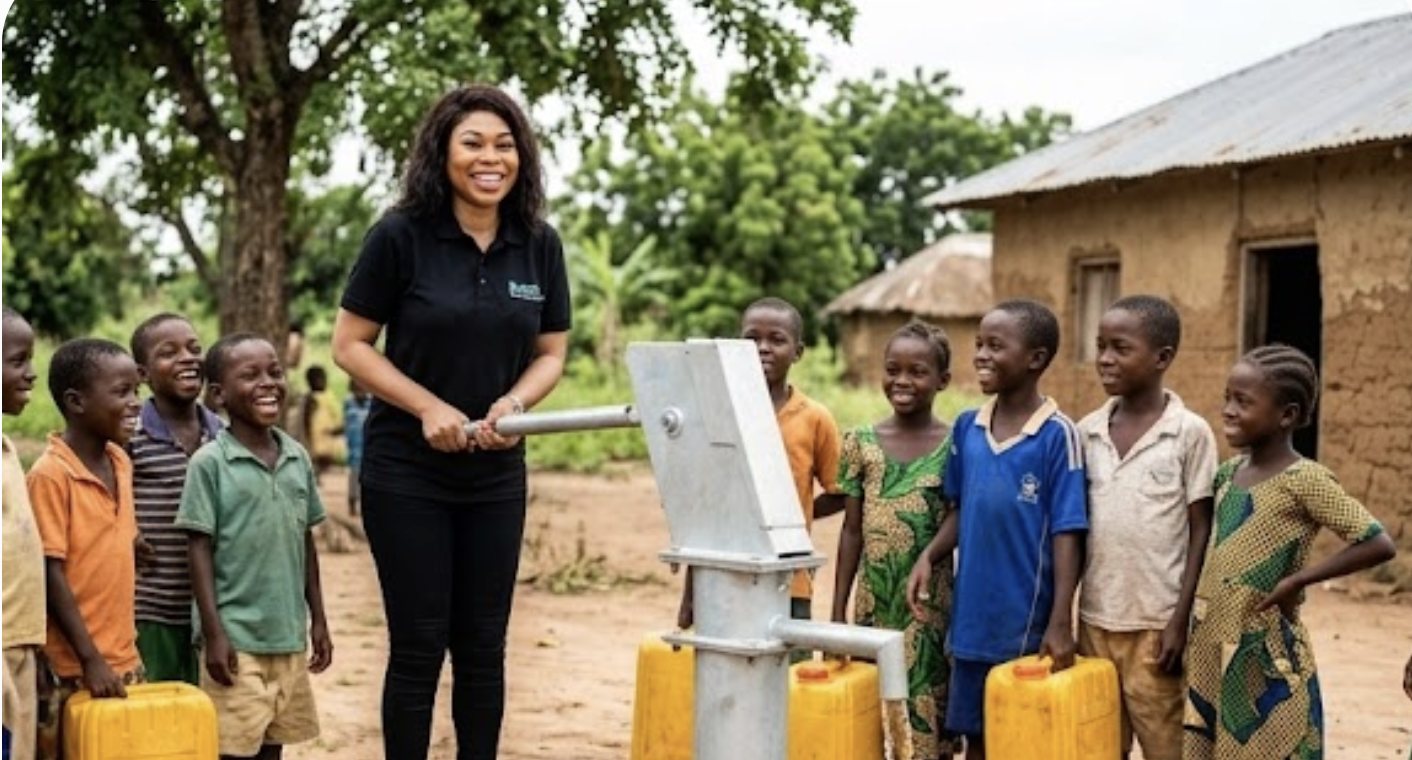
Completed community boreholes across Lagos and Kano, each one free to use and overseen by a caretaker the community selected. Funded so far through product revenue and founder contributions.

6
Boreholes completed

Each one remains free to use at the point of collection.

2
States

Lagos and Kano.

Thousands
Residents benefiting

We publish a verified figure per project rather than one headline number we cannot stand behind.

100%
Free at the source

No community member is ever charged for water at a Love Water borehole.

The Projects

Every borehole, one at a time.

Six completed community boreholes across Lagos and Kano. Each one is free at the point of collection and overseen by a caretaker the community selected. Where a figure is not yet verified, we say so rather than estimating it.

Read community stories
Borehole project photo

Ikorodu, Lagos State · 2021

The first one. It is still running.

Households here relied on a shared vendor tank and an unreliable stream, and paid for water that was not always safe. The borehole opened in 2021, funded out of founder contributions and early product revenue, and is overseen by a caretaker the community selected. It has been in continuous use since — which is the only measure of a borehole that really counts.
Borehole project photo

Ojo, Lagos State · 2022

Water on the street instead of a walk.

Most families here collected water from sources a considerable walk away, usually starting before dawn so children could still make it to school. The borehole sits centrally and is free at the point of collection, as every Love Water borehole is.

Borehole project photo

Alimosho, Lagos State · 2022

A dense neighbourhood, a shared point.

Alimosho is one of the most densely populated areas in Lagos, which makes a single reliable water point serve a great many households. Siting it took longer than drilling it.

Borehole project photo

Kumbotso, Kano State · 2023

Our first project outside Lagos.

Kano's water table sits considerably deeper than Lagos, which made this the most technically demanding project we had taken on. It is also the one that convinced us the model could travel.

Borehole project photo

Dala, Kano State · 2024

Built on what Kumbotso taught us.

Drilling deeper is not only a cost question — it changes the pump, the casing and the maintenance plan. This project used everything we learned the year before, and cost less as a result.

Borehole project photoUngogo, Kano State

Ungogo, Kano State · 2024

Number six.

The most recent completed project, and the point at which product revenue rather than founder contributions became the main source of funding. Number seven is the one that needs outside support.

Community Ownership

A borehole is not a gift. It is infrastructure someone has to look after.

Every completed project is overseen locally by a caretaker the community itself selects. They handle day-to-day upkeep, flag problems early and make sure access stays free for everyone — including the households least able to pay if it ever were not.

This is the part that determines whether a borehole is still working in five years, and it is the part most often skipped.

Community Voices

In their words.

Interviews recorded on location across Lagos and Kano. Video versions link from each quote once uploaded.

“The water used to be the first thing I thought about in the morning and the last thing at night. Now it is just there, and I think about other things.”

Folake A.
Community member · Ikorodu, Lagos State

“My daughters were the ones walking. Now they walk to school instead, and they are not tired when they arrive.”

Adebayo O.
Parent · Ojo, Lagos State

“I was chosen by the community to look after the borehole. It is free for everyone here, and my job is to keep it that way.”

Chinedu E.
Community-selected caretaker · Alimosho, Lagos State

“I sell food. Before, half my morning went to fetching water. That half morning is my business now.”

Hauwa I.
Trader · Kumbotso, Kano State

“People came to look at it for weeks after it opened. Not because it is unusual to see water — because it was unusual to see it here.”

Musa A.
Community elder · Dala, Kano State

“What I appreciate is that nobody comes to collect money from us. It was built and then it was ours.”

Amina S.
Community member · Ungogo, Kano State

“We used to close the school early in the dry season. We have not had to do that since.”

Grace N.
Teacher · Ikorodu, Lagos State

“The children were sick often. Less now. I am not a doctor, but I know what changed.”

Yusuf B.
Parent · Kumbotso, Kano State

Number seven is the one that needs you.

Typical borehole projects have historically cost approximately $4,000–$6,000 depending on location and site requirements.